Crossing one off the bucket list: Pebble Beach Golf Links
December 25, 2010
I was very fortunate to have the opportunity to play Pebble Beach on Christmas Eve of this year. Though it is our aim to review courses that the average joe will be able to play, this is one that every golfer must play before they leave for the putting green in the sky. I’ll spare you the play-by-play and leave you with a recommendation: go play Pebble. There really are no words to describe this place. JK describes Augusta as a place that makes the hair on the back of your neck stand up. I’d say the same about the Old Course. I can confidently say that Pebble Beach fits that very same description. It truly is one of those “religious experiences” for a golfer. The price tag is daunting, but I assure you that as soon as you step up the first tee, you will not regret it. The course was very playable, even when wet, so don’t fear the winter season (usually with better rates than normal $499). One critical recommendation: take a caddie. The caddie fee at Pebble is $75 with a suggested gratuity between $35-50 depending on service. I was lucky to have one of the most experienced caddies in Pebble’s stable. Larry had just cleared 5,000 rounds in March and has caddied at Pebble for 15 years. He was able to provide some great local knowledge (especially around the greens) that proved invaluable. Larry also knew all the good places to take pictures and made sure to point out all the spots on the course where a memorable moment from the tour took place.
I had a difficult decision to make right at the get-go: which tees to play. My goal going into the round was to have a good time and enjoy myself. After all, this was my present for passing the bar exam. I decided on playing the gold tees rather than the 2010 U.S. Open tees on recommendation from the Starter and my caddie. Though it really doesn’t matter what tees you play at this course, I occasionally found myself wishing I’d played the Open Tees just to be able to say I’d played a U.S. Open course. To this effect, I played the 8th Hole from the U.S Open Tee. What a beautiful hole. Though my first ball cleared the gap (just barely), I hit a couple of extra balls just to re-live the experience in the moment. There may be no greater second shot in golf. The only decision I truly regret about my day is hitting Driver on 1. Hybrid next time. No need for anything longer.
I’ll leave you with one story from my trip. It was a beautiful, sunny day. The wind was blowing between 15-17 mph constantly with gusts between 25-30mph. As we rounded the 16th green to the 17th tee, a slight gust picked up. Larry suggested a full five or knock-down 4 into the front right-hand pin position. I teed the ball and rehearsed a nice smooth knock-down swing. I stepped off the shot because a group of tourists began yelling at their small child who wanted to come see what was going on. I aimed about 3 yards right of the edge of the green and trusted my draw to bring the ball back to the green. I hit the ball a little thin and a rocket took off straight toward the flag. Here’s the resulting second shot that I thankfully holed for a nice tweeter on 17:

I recall there being another not-so-perfect swing that resulted in an important kick-in birdie at 17 during a U.S. Open… One day… (for those of you who are not up on your golf history, click here)
Overall: 10/10.

The signature 7th hole. Shortest hole in U.S. Open history and the site of a beautiful LG par. (knock-down 9-iron to a back right hole location. missed the 14 footer for birdie by the roll of the poa; next time, no taking chances, slam it into the back of the cup.)

View from the 8th Hole vista

A look back up the 18th from the fairway. Rated the best finishing hole in the world by anyone that plays golf.
LG Painting a club: new tips
December 23, 2010
Following JK’s lead, I decided to paint my clubs. Here are the before and after shots, as well as a description of my shortcomings and new tips.

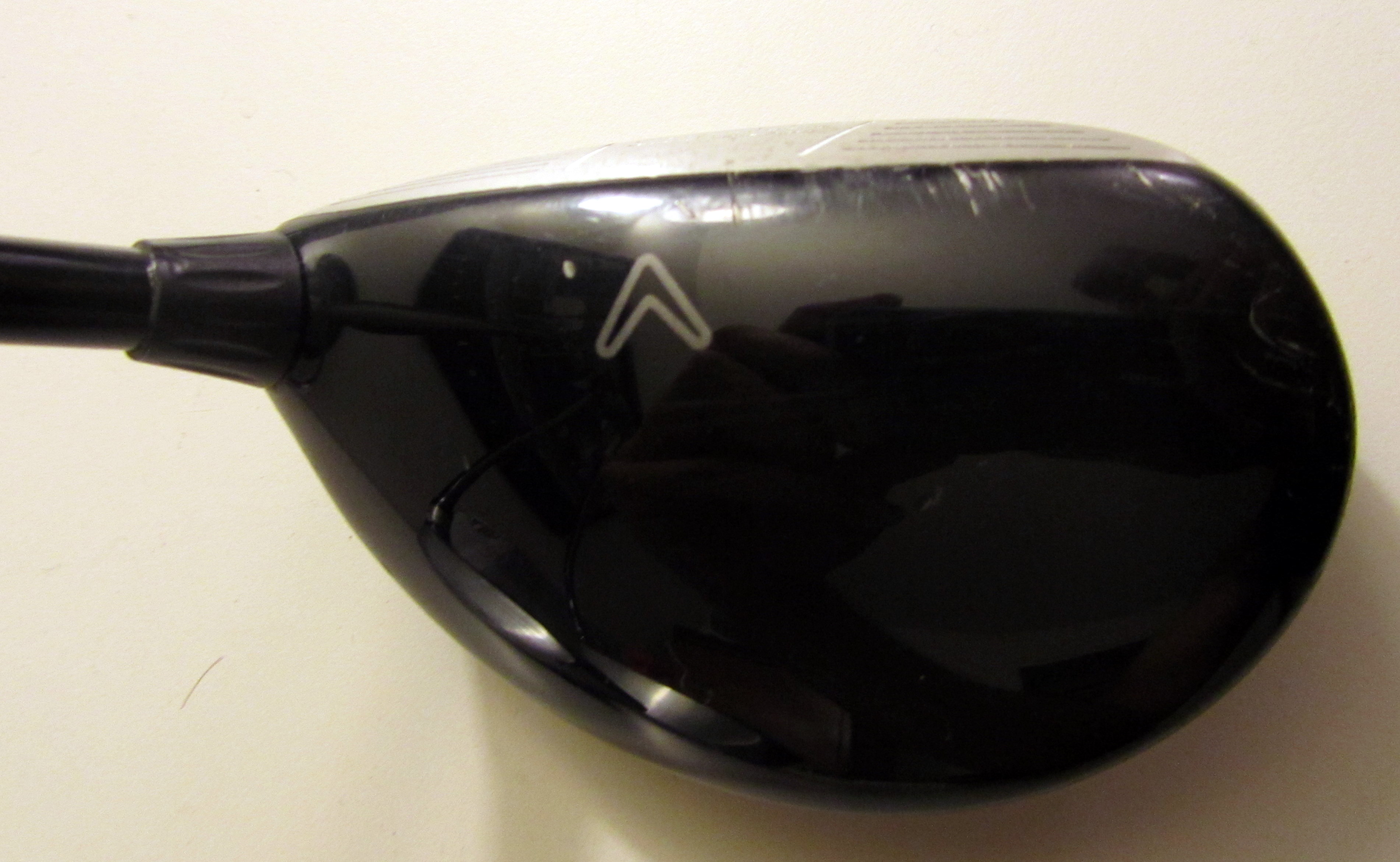

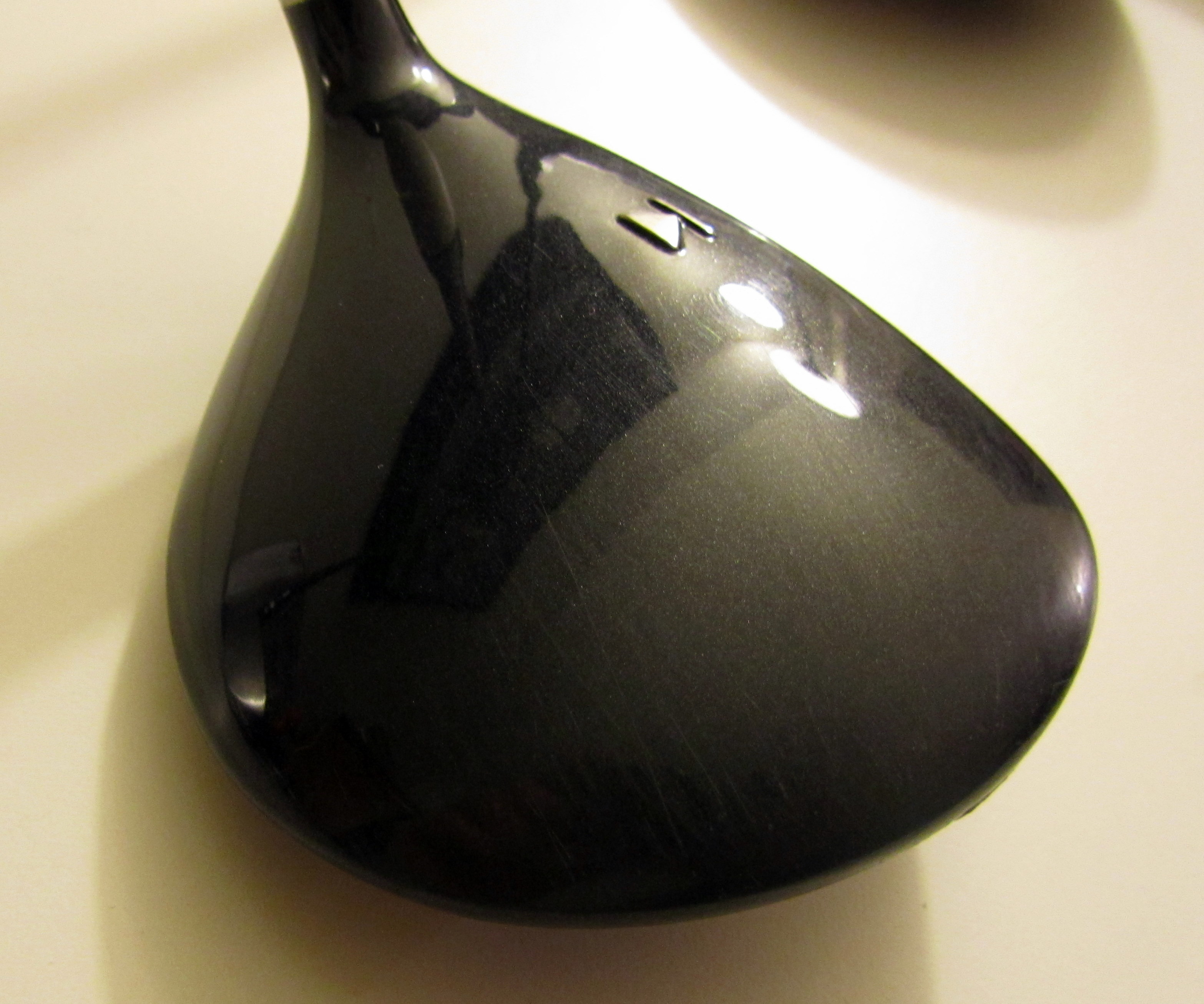
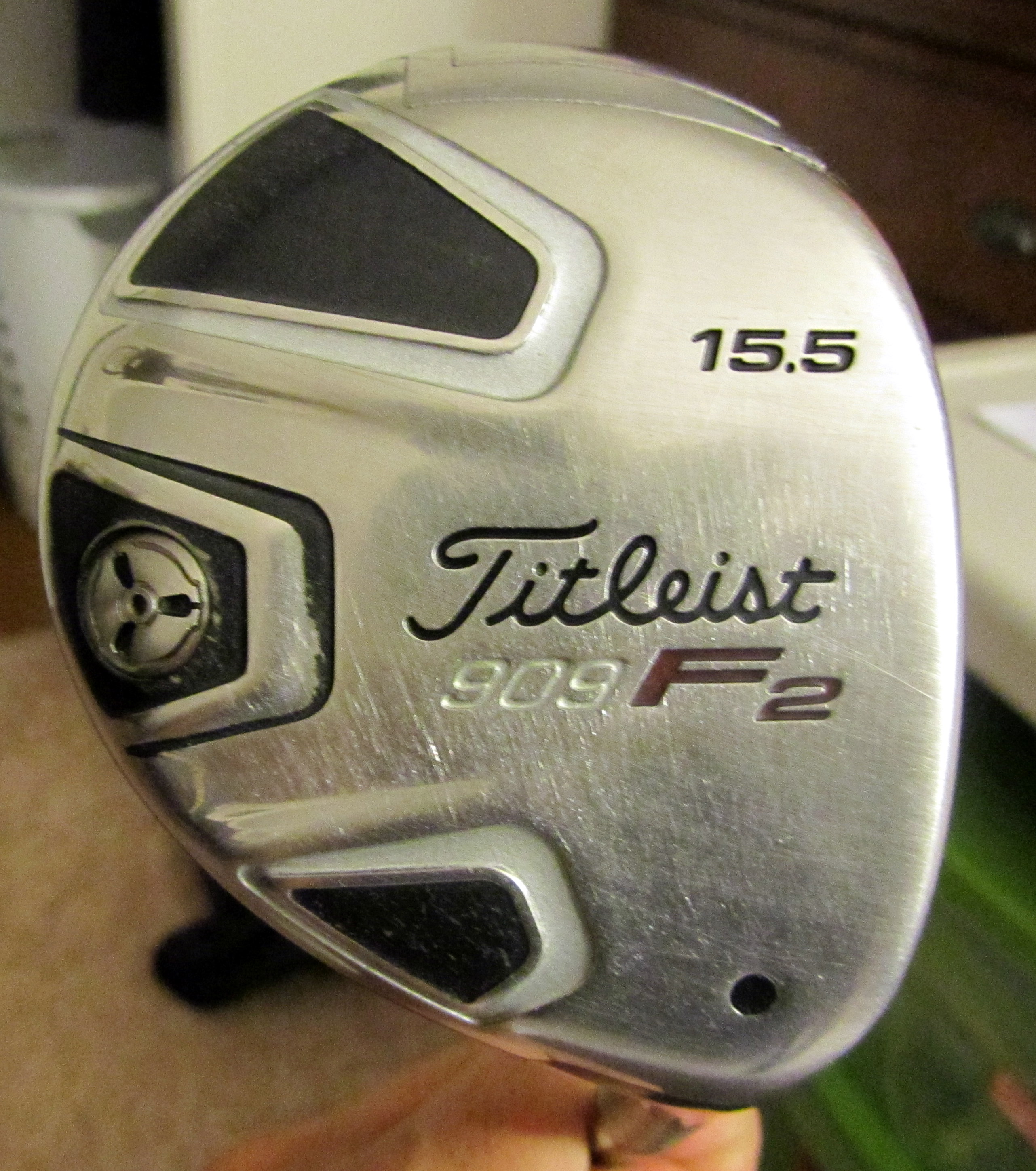


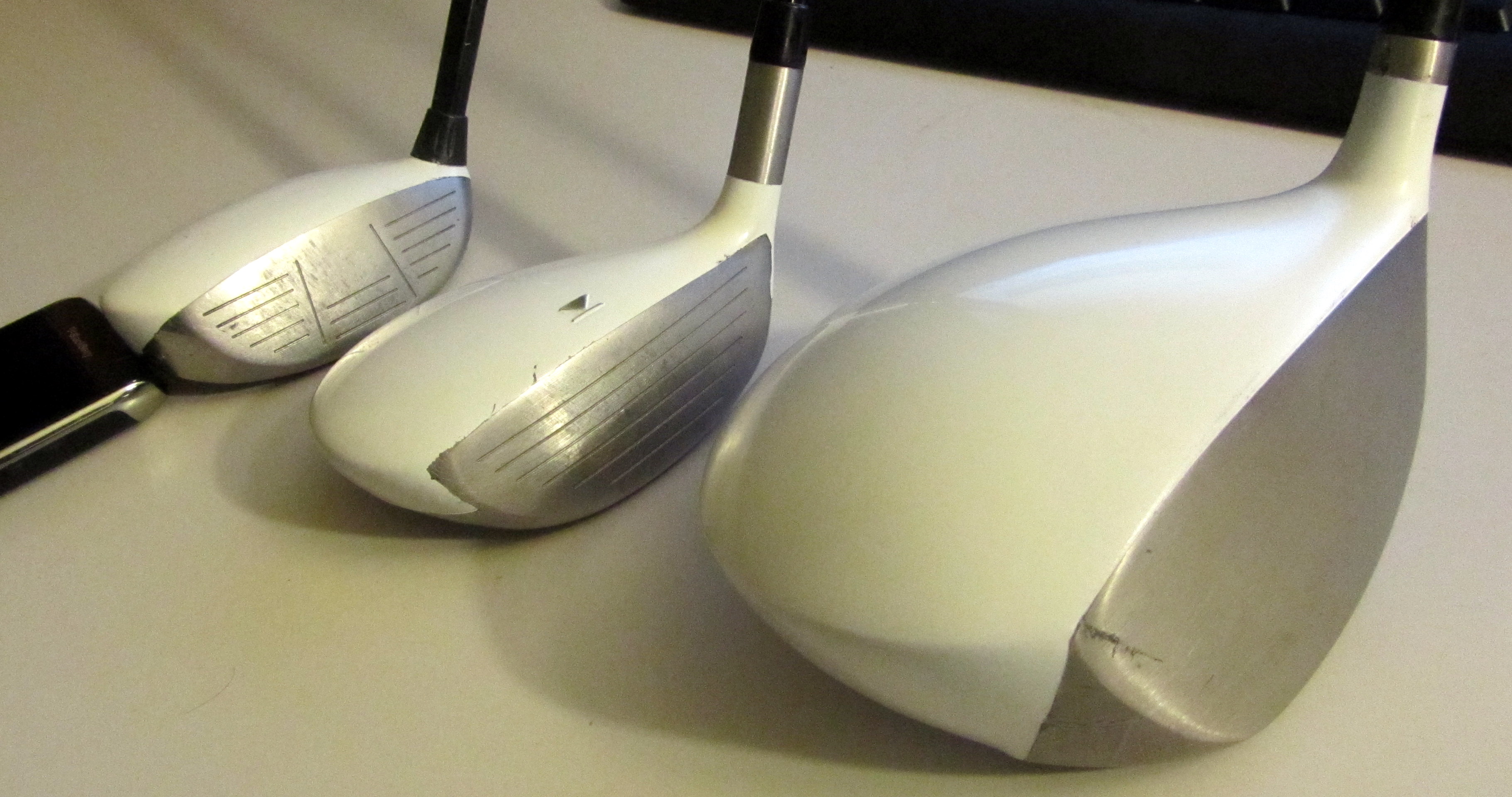


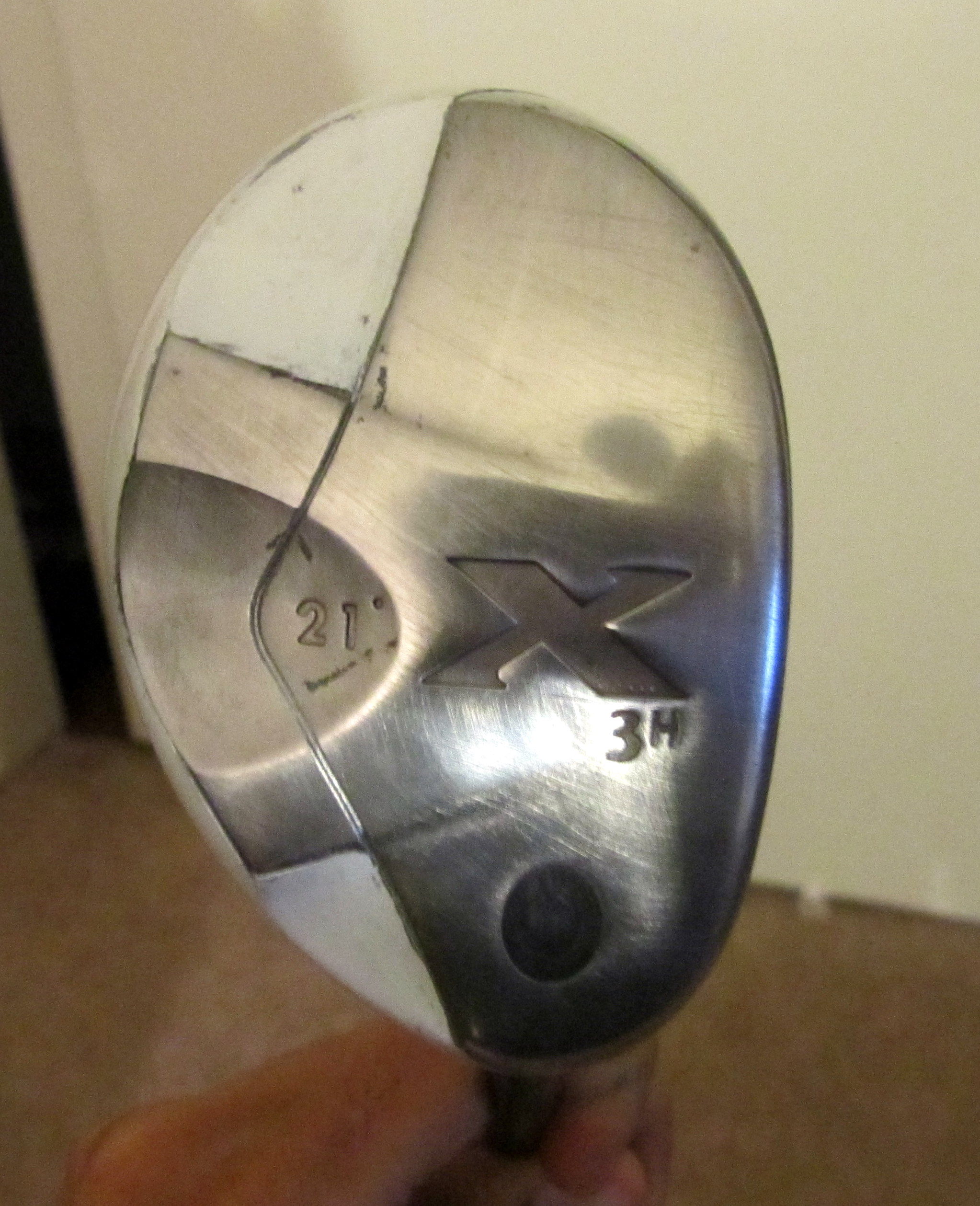
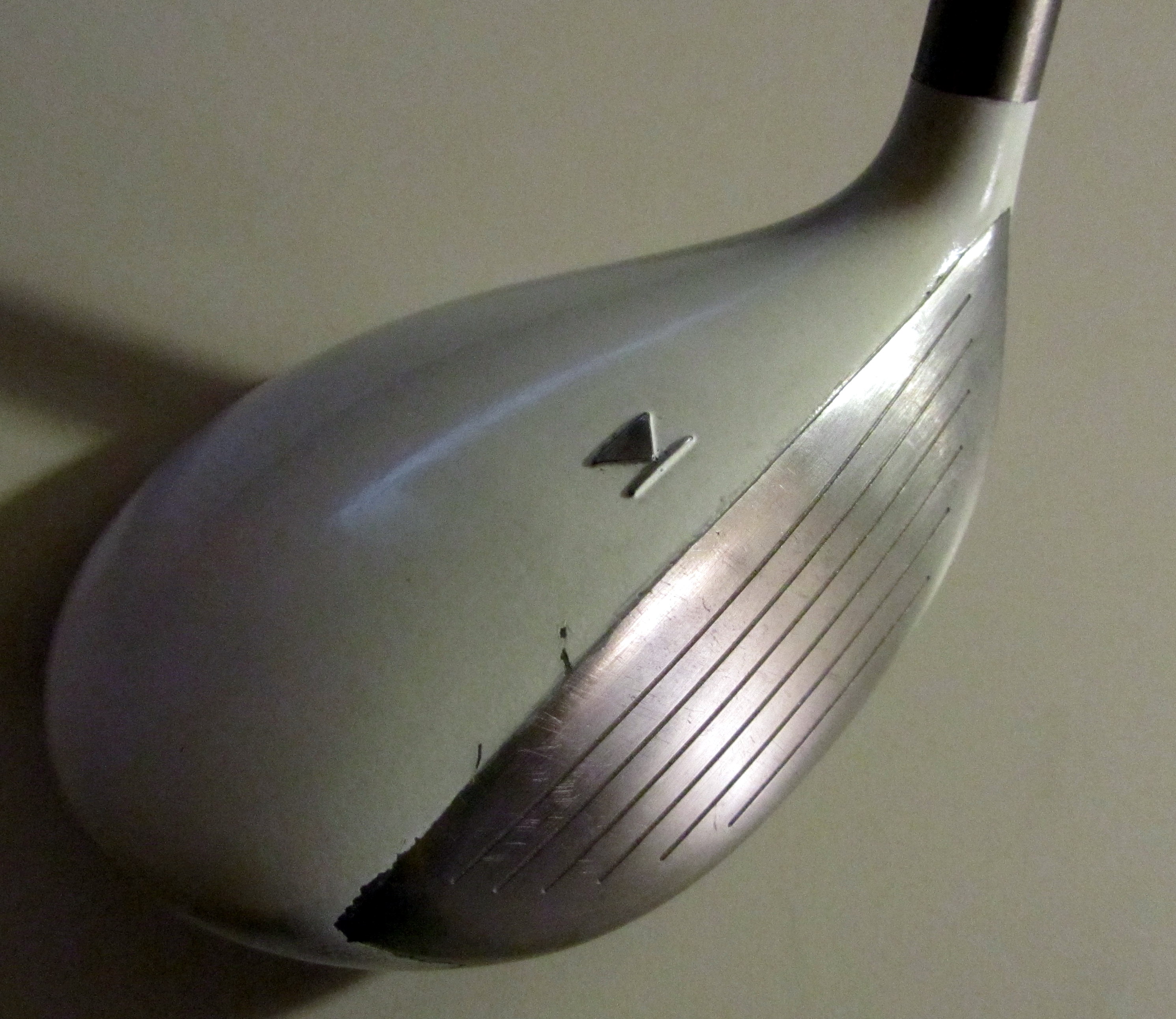

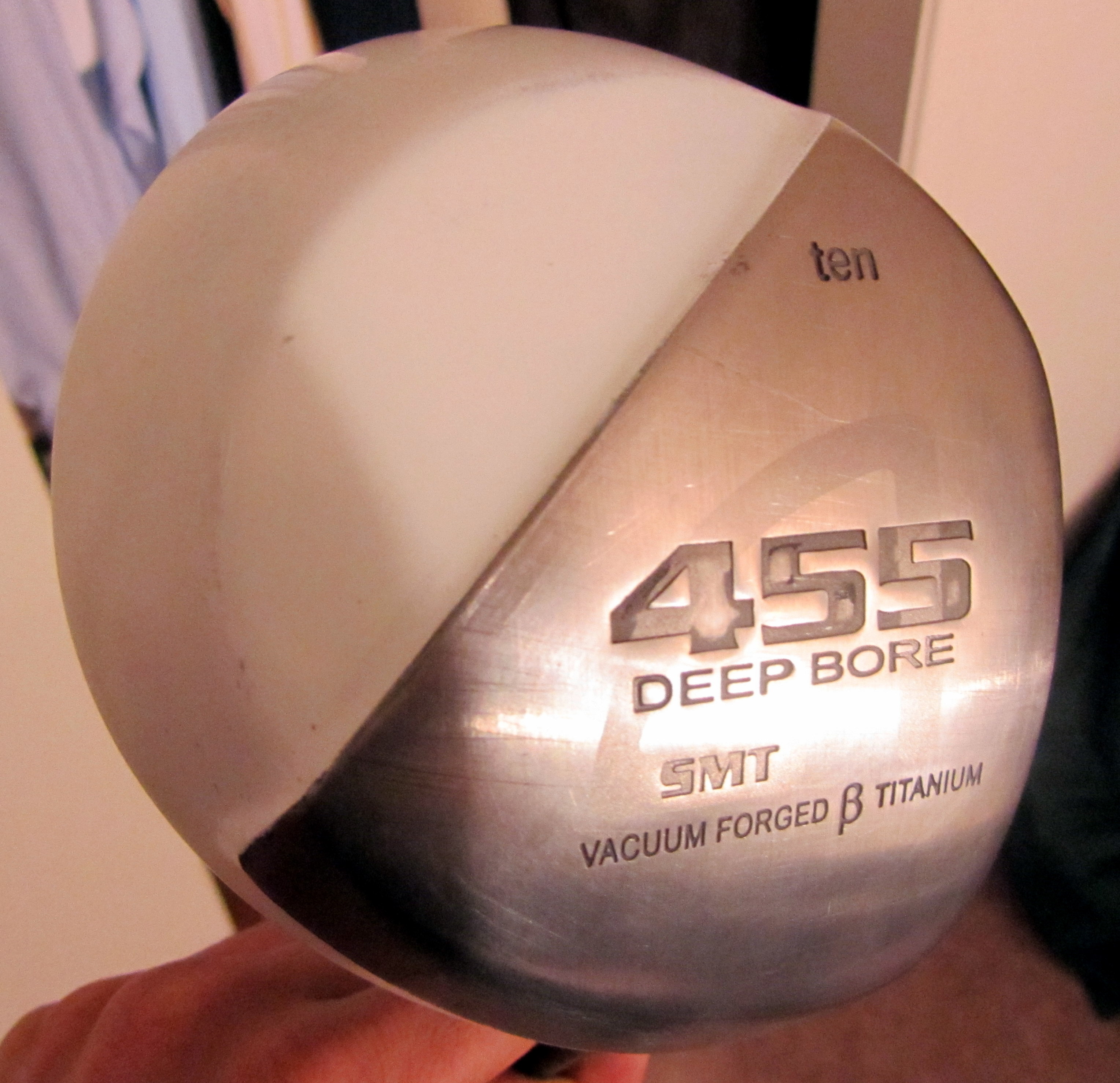
Problems I encountered:
1) White is REALLY hard to get right. Be sure you’re committed to taking the time to do this process correctly if you’re going to go with white. The results (particularly the driver) are pretty amazing when it works though.
2) Electrical tape goo will mess up the paint if you catch any of it on the sandpaper during the polishing phase. Be extra careful, otherwise you’ll get black smudges like i did on the Titleist 3w and the Callaway hybrid.
3) Take as much time as you can with the taping. At no point do you want to have to free hand the edges with a blade. Otherwise you’ll end up with scratches. See, for example, the face of my 3w :(.
4) Don’t use too much paint on any one layer – you’ll end up with something that looks like the Callaway hybrid here.
Tips:
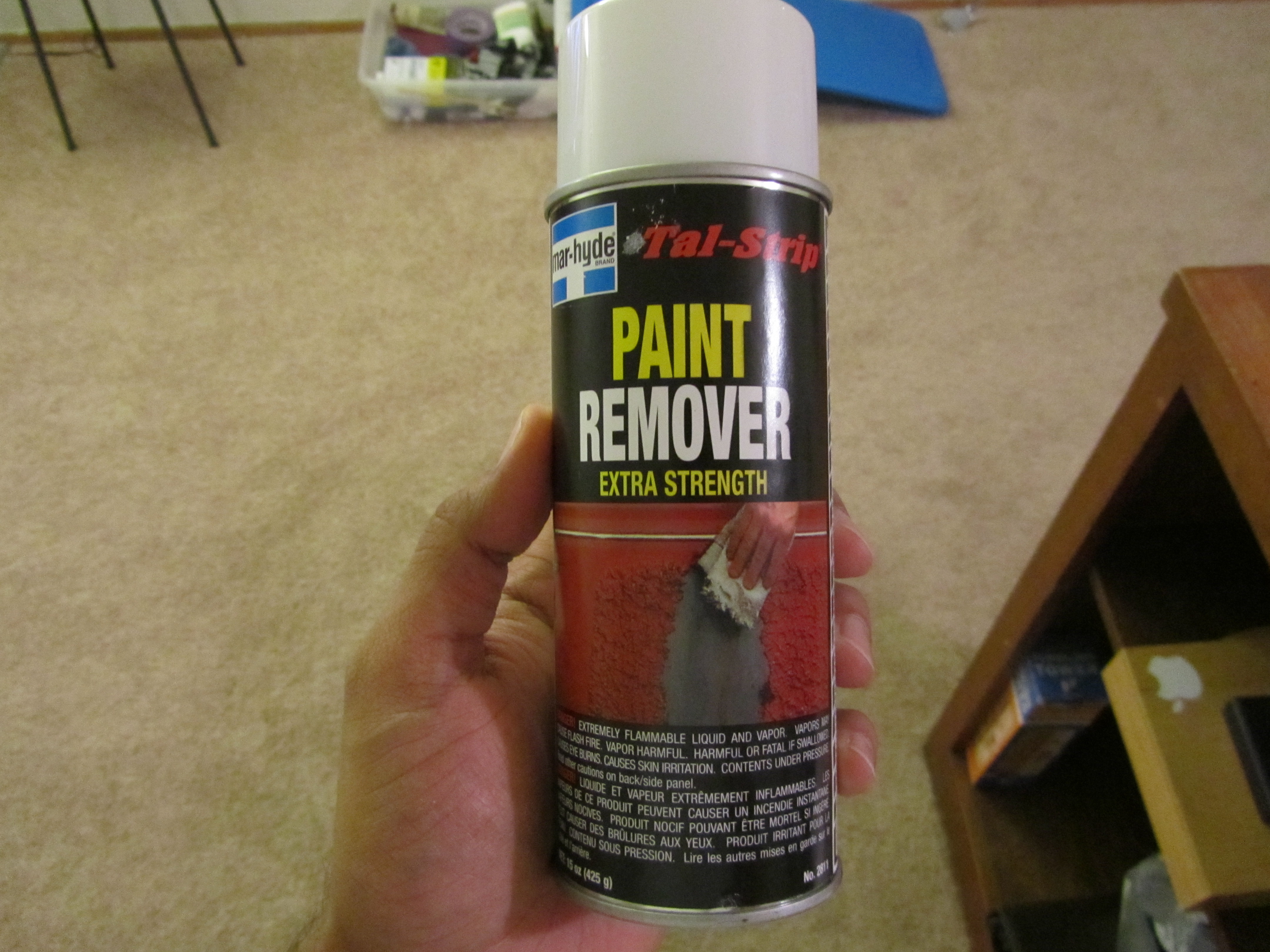
1) Use the paint stripper (Mar-hyde brand Tal-Strip Paint remover) I used in the previous post: Quick Tip: New Life for Old Irons. This stuff works great for getting the paint off the crown of the club too. Rather than the labor of sanding, the paint will simply flake off 10 minutes after you spray it on. WARNING – use proper eye, nose, face, and skin protection when using this substance. I accidentally touched a glove that had some on it with my bare hand and it burned like crazy. This method is MUCH easier than sanding.
2) Be EXTREMELY careful during the sanding process around any edge and any place where paint meets tape. These are the most likely areas for breakage. If you’re particularly worried, don’t sand these areas until the paint cures after 4-5 days.
3) JK recommends waiting 15 minutes between coats. I waited 20 between coats on the driver and really like the results. be your own judge, but don’t tack cloth the club until the paint is dry to the touch. This is a mistake I made with the hybrid and the result was mediocre at best.
4) If you have a lot of scuff marks on the face of your club, you can smooth them down, and in some cases get rid of them all together by giving them a good sanding with the 2000 grit sandpaper you have left over. This really cleaned up the face of my SMT driver and the non-grooved parts of my 3w and hybrid. See for yourself!
5) Raised symbols/alignment markers – I was worried about painting over the arrow/line that are on the crown of the Titleist 3w. I wanted them to stand out even after the new paint job because I like to use them to line up shots. In order to make sure they’d show up, I took a razer and carefully cleaned off all the layers of paint that had built up on them prior to applying the clear coat. I later realized this was probably unnecessary due to the sanding process. JK did not do this and his results turned out just fine. I also recommend the use of a metal needle for really fine clean-up jobs.
All in all, I consider this attempt a good learning step toward the final product that I hope to achieve. Consider the above pictures a decent first attempt, but a promise that better results can be achieved with a little practice. Next up, I will see how long this paint job lasts and hopefully come up with another color that is more forgiving to try next time. Like JK says about this kind of painting, there’s a certain comfort you can take in knowing that if you mess up, all you have to do is spray the paint remover on and start over again.
Happy Painting!
Merry Christmas and Happy Holidays
December 21, 2010
From us, here at the PF, best wishes to you and yours.
-JK & LG
Great Link to Stamp/Paint Fill Your Irons
December 18, 2010
I just bought my own stamp set off of fleabay. I’m ready to personalize some golf clubs. I’d post a section about it, but someone has already set out the steps in very clear and concise detail. If you’d like to stamp/paint fill your own clubs, take a look at the link below.
http://www.mygolfspy.com/how-to-hand-stamp-golf-clubs/
Of course, I’ll be trying this ASAP, and–of course–there will be photos. Stay tuned, PF readers!
—————————————————————————————-
Updated 12/20/2010
Here is another link that includes some extra tips, etc.
http://www.golfwrx.com/forums/topic/237444-instructions-how-to-stamp-your-irons
Quick Tip: New Life for Old Irons
December 17, 2010
Irons tend to lose their shine more quickly than any other club in the bag. Those with numbers stamped and painted on the sole tend to wear unevenly as well. One technique I like to use to prevent irons from losing their beauty is simply removing all the paint fills from the club. This takes very little time, and for about $7 (mar-hyde brand Tal-Strip Paint remover), can breath new life into your old forged irons. All I do is use a spray on paint stripper (acetone never works for me, for some reason), and wait for it to do its thing. NOTE, be sure to try a small amount of whatever solvent on a test area (or club you don’t use often) just to make sure it doesn’t take the finish off as well. I haven’t ever tried this with a cast club, so proceed at your own risk. See the pics below!
With paintfills:

without paintfills:
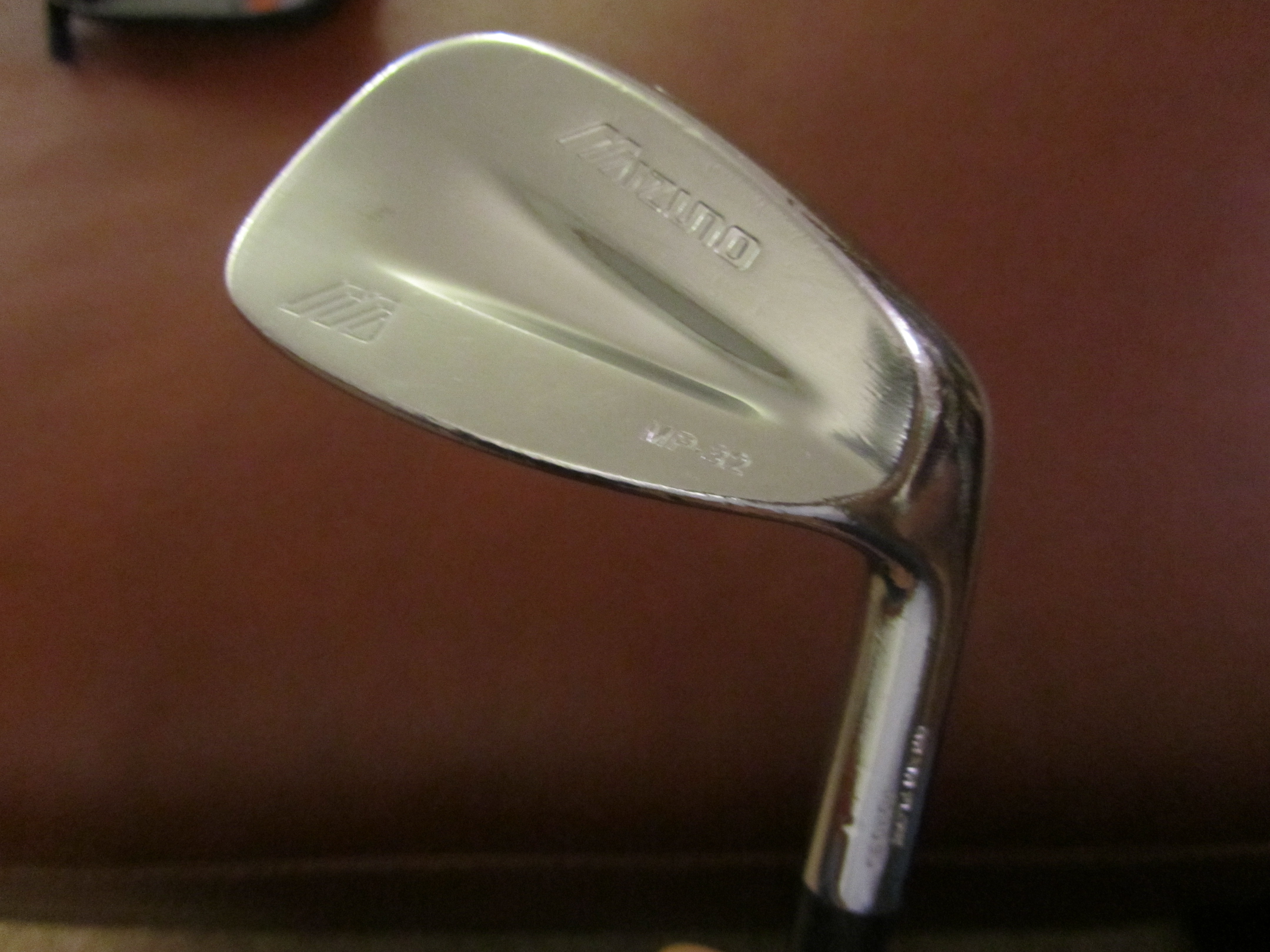
Paint stripper I used:
If you’re not a fan of the totally blank look, this is also the first step to doing your very own paintfills! I’m considering experimenting with these guys during the upcoming days off…
Play of the Week 6.5
December 13, 2010
Congrats to LG for the great shot on POTW 6, but I’ve seen you hit em closer than that. Wolf Creek????
However, I had already tee’d up a POTW myself, so let me title it POTW 6.5.
This week’s POTW goes to a great golfer. To the man took down Tiger Woods in a playoff, congratulations. I couldn’t believe it when I saw the birdie putt on 18 go in to force the playoff. I couldn’t believe it when the playoff ended abruptly after a birdie on the first hole. Congratulations to you; you did great, and you took down the giant.
NO! I’M NOT TALKING ABOUT GRAEME MCDOWELL!
Congratulations to Billy Mayfair for taking Medalist honors in PGA Tour Q-School last week. Until Graeme McDowell’s performance at Sherwood, Mayfair was the only person who had ever beaten Tiger Woods in a playoff.
Mayfair has played some great golf lately, taking a 54-hole lead at Quail Hollow as a Monday qualifier. And, last week, he earned a new Tour card after shooting -18 for Q-School.
Even though Mayfair won a US Amateur Championship in 1987, to me, he will always be remembered for his stellar performance in holding off Tiger Woods to win the 1998 Nissan Open. Eerily similar to McDowell’s win over woods at the Chevron World Challenge, Mayfair sunk a birdie putt on 18 and on the first playoff hole to beat Woods.
But, more than McDowell, Mayfair beat Woods in the prime of his career–when he seemed to have a stranglehold on the rest of the golf world. While any PGA win is impressive, McDowell’s win just doesn’t carry as much weight–and, in some way, it makes what Mayfair did seem less on an accomplishment. Mayfair’s win was like the NY Jets winning the Super Bowl with Joe Namath–it was a foregone conclusion that it just wasn’t going to happen. Woods was the best of the best and doing what he did best–chasing down a championship. But, somehow, Mayfair overcame all the pressure and just played his game. And, in the end, he won.
So here’s to you Billy Mayfair. I’m looking forward to seeing your name at the top of the leaderboard in 2011–and, I can’t wait to see another duel with Tiger.

Play of the Week 6
December 12, 2010
This week’s play of the week goes to…..ME!!!
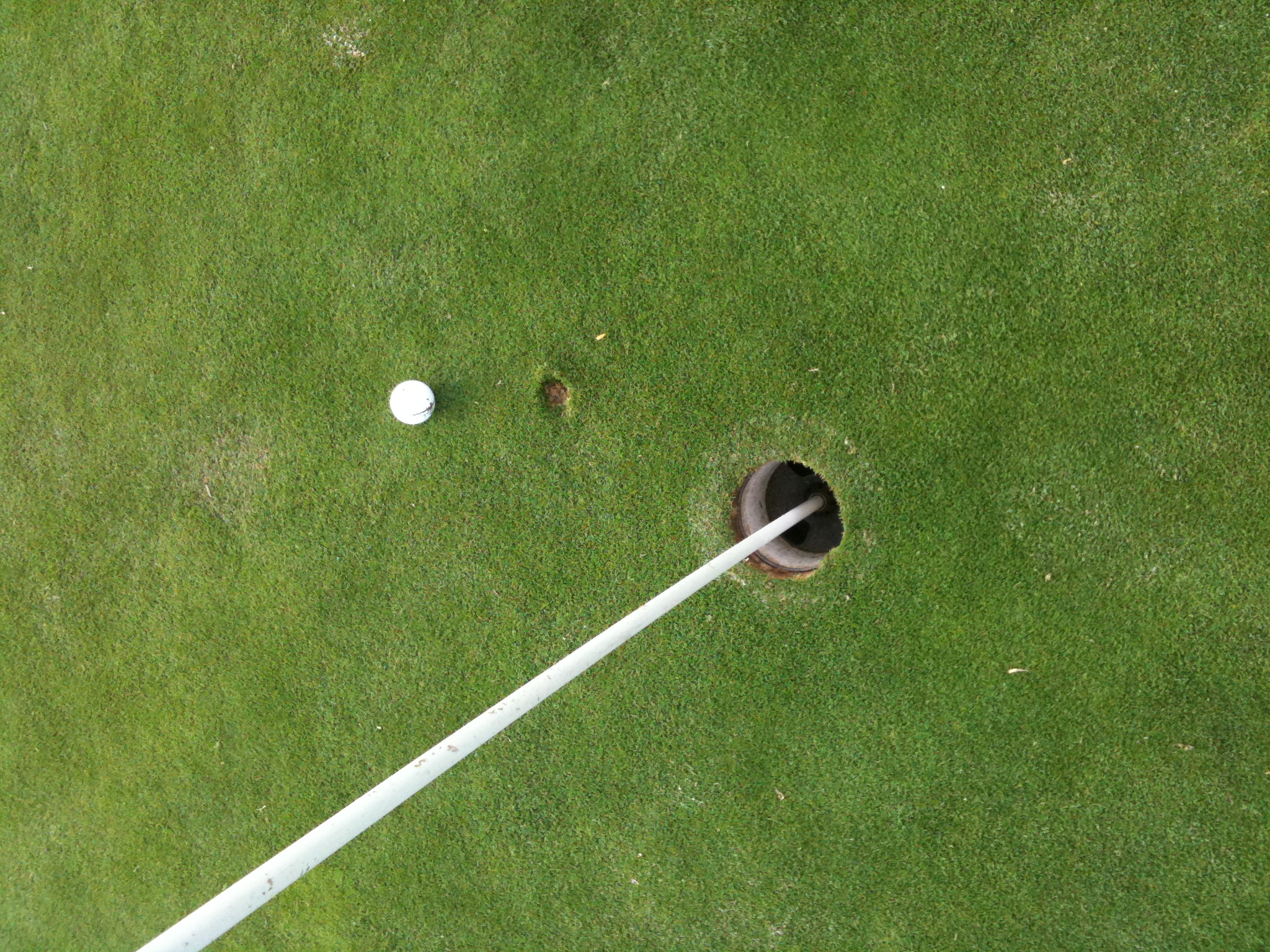
Shot of the day: 12/12/10
Par 3 Fourth at Shoreline Golf Links. 165 yards. 3 inches from an ace.
Not bad for not having hit a ball in a month, eh?

Golf Fitness: Endurance and Injury Prevention
December 12, 2010
While these two topics may not be as sexy as “power,” I believe they are two of the most important goals anyone exercising for golf should keep in mind. You can have all the power in the world, but if you can only hit 3 or 4 drives at 90% power before your swing starts to fall apart, what’s the point? Also, if you throw your knee out while swinging at 90% power, you’re not likely going to see much benefit from packing on all that muscle, are you? (Unless you’re TW, but let’s face it, if you are, you probably aren’t reading this). Let’s get right into it, shall we?
Endurance
Depending on your particular goals, I recommend incorporating various amounts of EACH of the following:
1) Cardio! – yeah, I know, I hate it too. The key here is to maximize two things: duration and intensity. For a golfer, it is more important to max out duration for our particular goals. Whether you want to be able to walk 18 without being sore the next morning, or (like JK and myself) walk 36-45 and be able to play the same amount the next day, you must work your heart. If you haven’t done much of this in a while, walk before you run. Like golf, cardio can be just as much a mental challenge as a physical challenge. You have to believe you can finish the distance/time that you have in mind. Try starting with a number you feel you can easily achieve and push yourself from there. One of my biggest problems when I started working out was trying to do too much too quickly and getting discouraged from failure. Prevent these kinds of silly mistakes by keeping your expectations in line with your abilities. (Funny how that translates in to the golf game). My personal favorites include jumping rope (I try for 20 minutes), swimming, and the row machine. I have bad knees, so it’s difficult for me to run much further than 1.5 miles without severe knee pain. The key here is to push yourself to your body’s limit, not beyond.
2) Weight lifting – follow the same regimen you feel comfortable with as described in Golf Fitness: Power, but now lower the weight and max out the number of reps that you perform. You can even add a set and really decrease the weight. This will essentially become another cardio workout if you really get into it. For example, rather than going at 80% of your max, drop to 35-40% and do 2.5 to 3 times the number of reps. This will engage your heart and work on toning your muscles by increasing the exposure to the load. Also, experiment with decreasing the amount of time between sets. This will effectively increase your cardio output as well. It is important to stay safe when working out at an increased pace. Take care with weights and equipment for your sake and others in the gym. Also, be sure to stay well hydrated when trying anything new with weights. Cardio+weights is a serious combination that will work your body in new and different ways!
3) Carry your bag! This might seem like a no brainer, but one good way to increase your ability to walk 18 and carry your clubs might be just that! If you’re really gung ho, try adding a few water bottles or a couple dozen extra balls to increase the load. I try to avoid this particular method of increasing endurance because I’d rather enjoy the golf, but if you play enough to where this is not an issue for you, go ahead and give it a shot!
Injury Prevention
Injury prevention, for golfers, is really a combination of strength and flexibility. Increasing your strength will allow you to go at the ball harder because your muscles have the ability to control your body more effectively. Part of this though, must be flexibility because in order for your muscles to have any room to move, your body must be flexible enough to create room. Try a few of the following:
1) Basic stretching – While I’d normally take the time to write out a full stretching routine for you, there’s no point reinventing the wheel. Virtual Fitness Trainer has outlined a solid basic stretching routine. Take the parts that work for you and work on the areas where you feel most tight. Golfers should focus on the trunk, hips, and shoulders in particular.
2) Yoga and Hot Yoga – I personally have yet to try either of these techniques (JK, please chime in). The flexibility benefits of these activities is obvious. I would not recommend trying either of these without a trained professional. Hot yoga in particular can lead to injuries if you are not careful. Chances are, if you’re considering trying out Yoga, there’s a studio nearby with someone far more knowledgeable than either of us. Give them a call!
3) Warm up before your round – This is easily the best way to avoid injury, particularly when playing in cold weather. Do some of your favorite basic stretches on the range and hit a small bucket before your round. If you have knee problems, warm up your knees, if you have back problems, stretch out your back. The easiest way to avoid injury is to focus on the parts of your body that you know are prone to injury. Listen to what your body is telling you and don’t push it beyond its limits.
4) Stay Hydrated! Part of maintaining flexibility is keeping your fluid levels up. You may notice that you cramp more quickly when you haven’t had enough water in a given day. A noted dietitian recommends drinking enough water to have two completely clear urinations per day. This is an easy way to keep track and is generic to each individual person, so I tend to use it as well. I also recommend avoiding replacing water with sports drinks. While they do provide electrolytes (critical for staying hydrated), they also tend to contain more sugar and carbs than are necessary for golfers. Stick to water on the course and use the sports drinks prior to your cardio program.
Please add your own personal warm up routine or cardio program below! One great way to keep your workout interesting is mixing things up and getting new ideas from your friends.
Useful Measurement: Putting Handicap
December 9, 2010
The one number that defines golf for most people is their handicap. This number, in and of itself, is useful for characterizing a general level of accomplishment in golf. A 25 handicapper, for example, is probably looking for consistent contact while a 10 handicapper is looking for direction on how to consistently shape shots. A scratch golfer, in that respect, is probably looking to drop a few more putts and improve his or her mental game. While this number tends to be the sole focus of the amateur golfer, I submit that it has little value in helping the golfer improve his or her overall game.
If we only use the handicap to guide our practice, we have very little guidance on how to become better golfers. A scratch golfer is one who goes around a “standard” course in 72 strokes. This feat can be accomplished without hitting a single fairway or a single green in regulation. It could also be accomplished with the golfer taking 36-38 putts. While neither of these scenarios is likely, they do provide support for the idea that the game needs to be dissected into its component pieces to focus our practice.
Regardless of your handicap, however, putting is the single skill that will influence your handicap more than any other. To this end, I think it’s useful to have a “putting handicap” that helps the average golfer understand whether putting is a strength or weakness of his game. This system is derived from a Golf Digest article.
The chart below is used with the putting handicap system.

Here’s how the system works. Just like any other stat you would keep on your scorecard (score, green, fairway, putts), write down the amount of feet holed on a putt. What that means is, when the putt goes in the hole, write down on the scorecard how far away you were from the hole on that particular putt. If a putt is closer than 2 feet, then it counts as 2 feet. If a putt is farther than 15 feet, then it counts as 15 feet. Once the round is over, add up the feet holed for the entire round. If you have made any 3-putts, subtract 4 feet from the total for every 3-putt you make. At the end, you have your “total feet of putts holed.” Match it up to the chart above, and you will have your handicap. While this sounds complicated, here’s an easy way to keep track right on your scorecard:

(Personal aside about this scorecard: HAD I been able to make a putt on the back nine here, I’d have finally broken 80. SOON!!!)
Just like other handicaps, the lower=the better. Thus, if you’re consistently shooting in the 70s but you’re putting at a 16 handicap, you should really focus on your putting and work to figure out what the problem is. Likewise, if you’re shooting high 80s and putting at a 2 handicap, you really should find out another statistic that is impeding your ability to shoot lower scores, because your putting is perfectly fine. You can make this statistic more robust by writing down the distance of your first putt as well. Over time, this will give you an idea of length of putts you are “comfortable” with. If you find yourself making more 6 footers than the average joe (55-65% is tour average), then maybe you need to work on lag putting. If you miss those knee knockers more often than not, perhaps the short putting drill is your “quick-fix.”
As stated earlier, this is only one tool in the array of analyses available for your golf game. However, it the putting handicap can really help you understand if there’s room for improvement. I know it worked for me.
A quick caveat to keeping stats: While they can certainly improve your game, PLEASE don’t take so many notes that you are slowing down your play as a result. Try keeping one or two new stats each time you play to see if you are getting any benefit out of them at all. For me, hitting fairways and getting up and down more often are my keys to shooting lower scores, so I keep stats that reflect my progress in those areas. Figure out what will work for you and go to it! You should be able to fill out all of your stats before you reach the next tee, so please don’t slow down everyone behind you!
Please post in the comments section on any questions you may have.
Repainting a Club – Redux
December 6, 2010
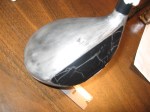
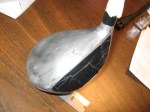
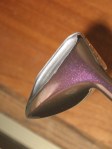
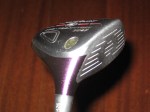
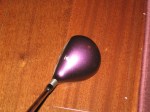
Just wanted to post a few new pictures. The gallery below includes pictures of the club I painted first and the repainting of the 904f. With the 904f, I used electrical tape for the edges, which created a MUCH cleaner edge. See the photos below for a few good looks.
See the original post on repainting a club, here: https://thepowerfade.wordpress.com/2010/11/30/repainting-a-club/






 The Power Fade Golf Blog