Tiger’s New Flatstick
December 3, 2010
First of all, Tiger shot a beautiful -7 par 65 today at Sherwood Country Club during the Cheveron World Challenge. Kudos (I never doubted you). Slightly more interesting to the obsessed golfer is the fact that Tiger was not using his trusty Scotty Cameron Newport Design putter. Instead, he opted for a totally different, heel-shafted model. While we normally see Phil using this type of putter, it seems to have served Tiger well today. Shooting 7-under requires pretty solid putting, I think. On the other hand, Tiger appears to have had a phenomenal ball-striking day by missing very few greens in regulation. Tiger himself said that “I really striped it, hit a lot of good shots. It’s weird, I was telling Steve down there, it’s not too often you can say I shot 65 and only made one putt, but that’s kind of what I did today. I only made one putt and it was on 9. The rest were either two-putts or kick-ins. It was a good ball-striking day.” Sorry for not having any numbers to back this up, but I’m unable to find any! I’ll wait to pass judgment on whether this particular change is a good idea. The change that he should make? How about going back to the Pro-v1x?
Have a look at the images below to check out Tiger’s new equipment!


Poll: New Paint Job
December 2, 2010
My metal woods have lost their original luster from months (or years in my hybrid’s case) of use and the occasional topped shot. After reading JK’s post on repainting, I’ve decided to repaint all my metal woods the same color and am giving the PF community the choice of what color they will be forever more! Go ahead and vote. If you feel strongly, vote more than once! I have also left the option open to choose your own color if you feel so compelled. I will post before and after shots of all clubs and the process! Happy Voting!
Golf Fitness: Power
November 24, 2010
Much has been written about golf fitness in terms of how to generate power. My goal is not to advocate a particular swing theory or exercise program, but rather to provide general fitness advice that should be helpful to any swing. While the average golfer generally wants to get more power in his or her full swing, rarely is that energy properly focused at the gym to develop the right muscles. Here are some fundamentals to focus on:
1) Mix in both Unilateral and Bilateral exercises – Bilateral exercises use both limbs in unison to move a load, such as barbell squats, barbell bench press, and chinups. If one limb pushes or pulls harder than the other, the load will not move evenly. Unilateral exercises focus on each limb working independently of each other. This can be accomplished by either isolating one limb at a time or by using dumbbells or independent stack cables to push or pull with both limbs at the same time. Examples of these movements include exercises such as dumbbell shoulder presses, dumbbell bent-over rows, and lunges. Read more here on these terms.
2) Start with your lower body – the only way to swing faster (not harder) is to have a stable foundation. Since good footwork is critical to nearly every swing, making sure your legs are strong is a good start to getting more power. I personally try to work my legs every single time I go to the gym. For me, mixing squats, splits squats, step ups, and a number of explosive leg exercises has helped improve my stability. In particular, curtsy squats help replicate the hip rotation that occurs in the golf swing. For those of you who are uncomfortable with weighted exercises, using an aerobics step for a number of ploy-metric exercises maybe the correct option. For others, squats and lunges will provide more than enough resistance.
3) Don’t forget your lower back – This area of the body is often forgotten but critical to maintaining spine angle throughout the swing – another fundamental of nearly every golf swing. To effectively work your lower back, you could start with an exercise ball and roll slowly backward while lying with your back on the ball to stretch it out. Most gyms are equipped with some variation of a back extension machine. Start with the one at a 45 degree angle and work your way up to the horizontal back extension. This exercise can be intimidating the first time you do it because you may feel as though you can’t support your body weight. Ease into it. Soon enough, you’ll be doing this exercise with only one leg supporting your weight.
4) Core strength – instead of just doing crunches, mix this up and use the cable machines to work your full range of motion. Woodchoppers and bar bell torques are the best for really feeling the burn and can be done with low weight. Also, don’t forget to work your lower abs. This will not only supplement the work you are doing on your lower back, but it will prevent lower back pain from carrying your bag around the course (another great fitness benefit!). One of my favorites is having a partner stand by your head while you are lying with your back on the ground. Kick your feet up towards your partner while keeping your legs straight and back on the ground. Have your partner throw your feet back toward the ground, but don’t them hit the floor. bring your feet back up to your partner and repeat. Once this becomes to easy, have your partner mix it up by throwing your feet down at an angle. This really burns.
5) Work your back, chest, and shoulders evenly! – don’t over-exercise on any one area in an attempt to “bulk up” because you’ll throw off your natural rhythm. Also, be sure to mix it up with bilateral and unilateral exercises here. Doing too many unilateral exercises will definitely throw off your body’s ability to coordinate muscles for a powerful, smooth swing.
6) Work your wrists – an often overlooked area for generating power in the golf swing is wrist strength. Rock climbers roll a weight that is hung from a dowel up and down while holding at arm’s length. I also recommend holding a light dumbbell and simply rotating your wrists as long as you can. These exercises will also help you generate clubhead speed because your wrists will be more supple during impact.
7) Don’t be discouraged, Keep at it! – soreness from working out and the uneven strength gains you make will likely translate into some initial backward movement in your ability. You may hit the ball shorter or make less flush contact initially, but give it time. Exercising will only improve your ability in the long run. Jokes aside, a good golf swing is an athletic motion that requires precision and balance. Developing leg and core strength will only improve your ability to swing faster.
When I first started working out, I started with a friend using a program endorsed by Men’s Health Magazine. You can find that program here.
More to come! If you’re currently working on your own program, please feel free to post about it!
Quote of the Day
November 11, 2010
Tiger Woods played 14 holes before finally missing a green in the opening round of the Australian Masters, which would seem like the ideal start to defending a title for the last time this year.
Woods had to settle for a 2-under 69 on Thursday, leaving him four shots behind a trio of players who competed before far fewer fans and had far less trouble on the greens at Victoria Golf Club.
“That was probably the highest score I could have shot,” Woods said.
Me thinks he’s back. What say you, Papa JK?
http://sports.espn.go.com/golf/news/story?id=5781850
———————————————————————————–
Response from JK:
Well said, sir. Ever since Tiger dumped Haney, his swing has looked 1000 times better. I can’t wait to see what he does next year. I’m going on a limb here, but I think 2011 will hold some of the best we’ve seen of Tiger.
Play of the Week 4
November 9, 2010
Alright boys and girls, gather ’round. This week’s play of the week goes to Byron Morgan Putters. No more words needed. Look at this beauty:
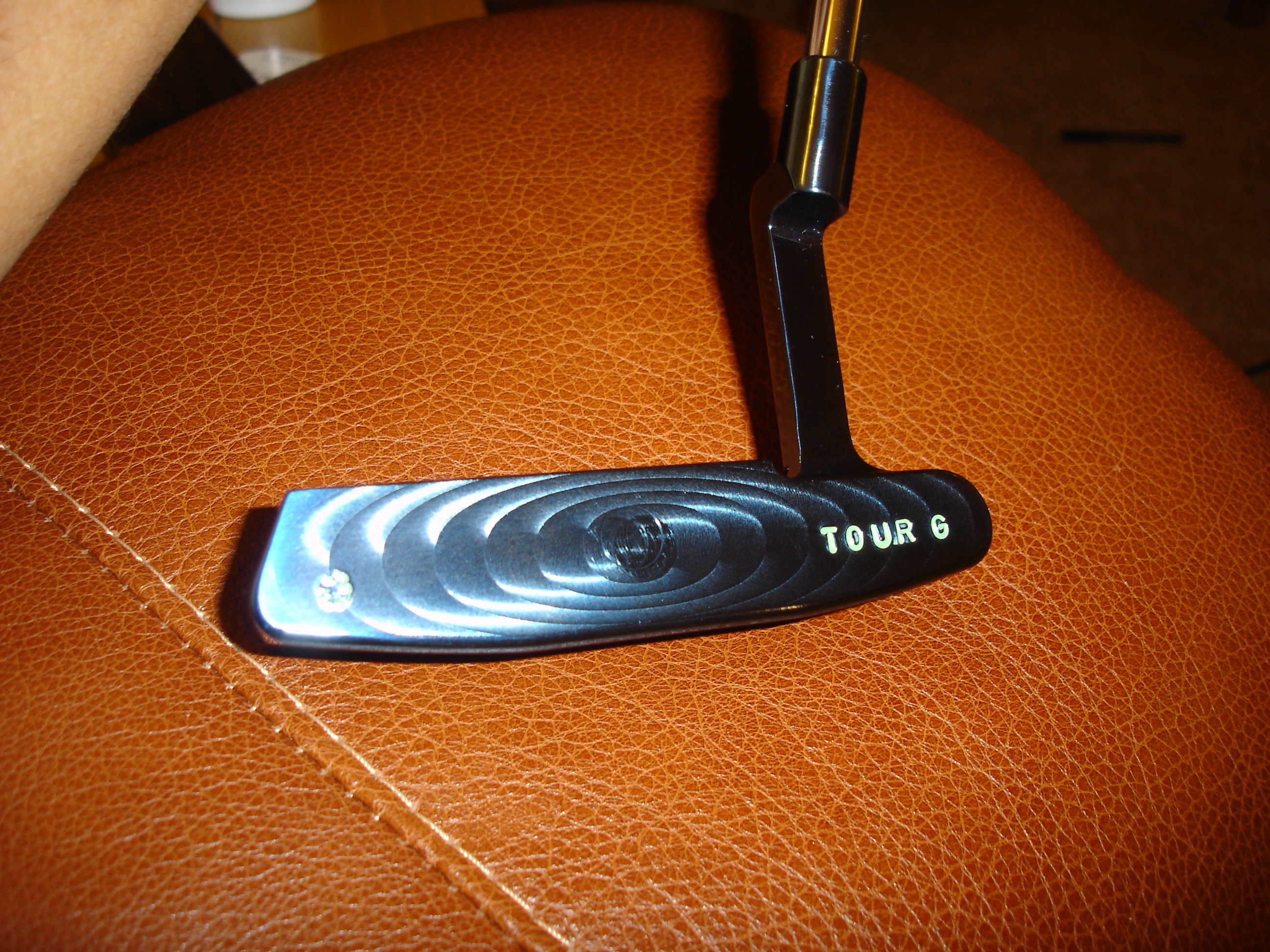
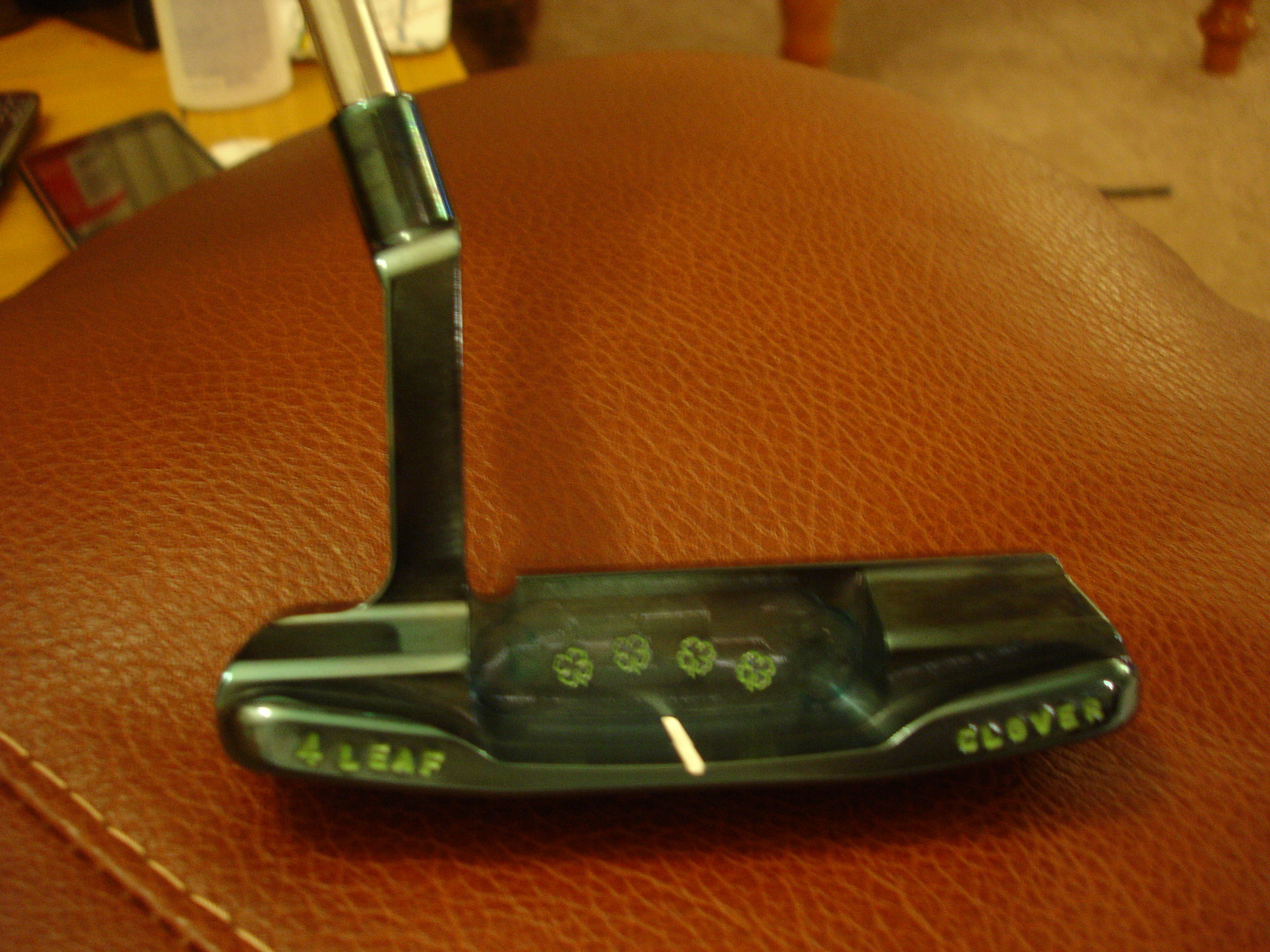
Go ahead. Click on the image to get the full effect.
Book Review: The Downhill Lie
October 28, 2010
Though I generally do enough reading on a daily basis to never want to read anything “for pleasure,” Carl Hiaasen’s The Downhill Lie caught my eye. Before I begin raving about the wonderful writing, (actually) laugh-out-loud jokes, and truly touching story that Hiaasen has composed, I should provide a disclaimer: Hiaasen attended Emory University which is also my alma mater. I have no shame in admitting that this fact is the reason I purchased this book from the $5 shelf at borders. That fact aside, I would recommend this book to anyone who is interested in feeling better about their own golf game.
Hiaasen describes his return to golf after a 32-year long break. His entry to golf, like many, was due to his father. He entered the game as a boy and never really took to it. Like many children, he found the game difficult and frustrating. After his father passed, however, he felt as though this might be a way for him to reconnect with him through the game he loved. With dry wit and imagery I have yet to find in another golf book, he describes his triumphs, travails, obsessions, and follies that nearly every person demented enough to play this game experiences. Ultimately, Hiaasen concludes his journey by realizing that passing the game on to his own son is truly his “contribution” to golf. If you have time, I highly recommend reading The Downhill Lie.
From the book flap: “Hiaasen’s chronicle of his shaky return to this bedeviling pastime and the ensuing demolition of his self-esteem – culminating with the savage 45-hole tournament – will have you rolling with laughter. Yet the bittersweet memories of playing with his own father and the glow he feels when watching his own young son belt the ball down the fairway will also touch your heart. Forget Tiger, Phil and Ernie. If you want to understand the true lure of golf, turn to Carl Hiaasen, who has written an extraordinary book for the ordinary hacker.”

Buy the book here
Play of the Week 2.5
October 18, 2010
While this is supposed to be a weekly post, extraordinary circumstances call for extraordinary responses.
4 Eagles (one hole-in-one and three fairway hole outs) resulted in a win for Rocco Mediate today at the Frys.com Open at CoredeValle. If you didn’t get a chance to watch any of the action, you missed out on some of the most thrilling golf that was played this year. Watch those highlights!
From us at the Power Fade, Congratulations, Rocco! We can’t think of someone that deserves this win more.

Review Preview: Lesson with Tour Pro Mitch Lowe
October 15, 2010
While JK will be spending the next few weeks reviewing the Titleist Pro-V1 prototype (JEALOUS), I will be hitting the range with a living, breathing PGA Tour Professional! Mitch Lowe is offering discounted lessons at Harding Park just south of San Francisco. Why does that course sound familiar, you ask? The U.S. just won the Presidents Cup there. Yeah. Review to come!
Get your lesson here! ($60/hr at Harding, or 9 holes at Fleming Golf Course for $110)

Introduction to Golf Fitness
October 12, 2010
One of the many things that golf has given to me is an appreciation for the value of good physical health. I will leave at this for the personal anecdote: Prior to golf, the heaviest thing I cared to lift was likely a beer keg. Thankfully that is no longer the case.
Rather than extol the virtues of good fitness for daily life, I hope to convince the reader that it is incredibly useful in the quest to lower your score. My goal is not to lay out a workout plan for the average golfer (not possible); Instead, I will approach this series of posts from the perspective of accomplishing one of a number of goals. If you should find that one of your goals is mentioned, hopefully you will find the content helpful. Future posts will include Power, Consistency, Endurance, and Longevity. This post, however, will focus on the single most important factor for getting into (or maintaining) good golf fitness: Diet.
Diet, like the short game, is the one thing that we actually have a hope of achieving the same level of perfection as the professionals on TV. Much like the short game, however, whenever we get a chance to work on one thing, it’s never at the top of our list. I made a conscious effort when beginning my own fitness regimen to take note of the reasons why certain changes in my lifestyle seemed more difficult to make than others. Diet was one of those that was most difficult. I didn’t want to eat less than I was used to because that particular change was not one that I was willing to make in my quest to lower my scores. More importantly, when I started going to the gym, I became hungrier than I had ever been before! I realized that the only way for me to make a difference was to change WHAT I was eating. Truth be told, when I was fully committed to the diet, I was eating more than I ever had before. The craziest part of the whole change is that I lost more weight and gained more muscle than I have had at any point in my 20’s. How is this possible? Glad you asked.
Before you stop reading, I’m not peddling a book or a program. I’m telling you to eat everything your mom told you to eat when you were a kid: green veggies, fruits, nuts, milk, and lean meat.
Like the other posts in this series, any changes in your diet should be guided by your ultimate goals and your physician. Think about what it is you want to accomplish. Do you want to lose weight? Do you want to hit the ball farther? Do you want to be able to walk 18 without being winded at 9? All of these choices will impact your decision.
I personally took my cues from a diet that worked exceptionally well for other members of my family: the Abs Diet. (Amazon) The premise of the diet is to change the types of food you eat to maximize the nutritional content of what you consume. It further recommends consuming a greater quantity of meals during the course of the day and controlling portion size. What I liked about this particular plan was that it was very flexible (more like suggestions for how to eat well) rather than a strict regimen. The author appreciates the difficulty of maintaining a diet with a hectic lifestyle and makes simple suggestions for how to maximize your food’s benefit to your body. He also provides a very simple list of foods that you should attempt to eat on a regular basis (great for restaurants).
Some of the suggestions, however, did not work so well for me. The amount of milk, for example, that the author suggests was not possible for me to maintain. As stated before, use your common sense to figure out how a particular diet can work for you. As far as recommendations go, change your diet only in ways that you can maintain. Only if you can commit to the changes will you be able to see (and maintain) results.
Regardless of your particular goals, however, the following suggestions will not lead you in the wrong direction:
1) consult a nutritionist – most are trained in sports nutrition and will be able to help you define and achieve your goals.
2) increase your protein intake – protein shakes aren’t just for the meatheads at the gym. Try adding protein powder to oatmeal or making a smoothie. These are simple and tasty ways to increase your protein levels.
3) increase your fiber intake – fiber is incredibly important to weight loss. Eat more whole grains or whole wheat pasta.
4) decrease fat and sugar – this one is important regardless of your goals.
5) take a multivitamin – maintaining high levels of nutrients and minerals will help maximize the effort your are putting into your diet and exercise plan.
6) enjoy your regimen – this point cannot be made strongly enough. If you are not enjoying exercise or are feeling terrible because of your diet, make sure you figure out why and fix the problem. Results will only come if you stay committed long enough to see them, so make sure you are enjoying the journey. For me, this meant cheating one day a week. I ate whatever I wanted one day a week just so I could stay committed to the diet. I eventually got to the point where my new goal was to skip the day off because I felt terrible the next day. Make sure you feel as though success is possible.
Remember, there will be several posts in this series. Next up: Exercising to maximize Consistency.


 The Power Fade Golf Blog
Useful Measurement: Putting Handicap
December 9, 2010
The one number that defines golf for most people is their handicap. This number, in and of itself, is useful for characterizing a general level of accomplishment in golf. A 25 handicapper, for example, is probably looking for consistent contact while a 10 handicapper is looking for direction on how to consistently shape shots. A scratch golfer, in that respect, is probably looking to drop a few more putts and improve his or her mental game. While this number tends to be the sole focus of the amateur golfer, I submit that it has little value in helping the golfer improve his or her overall game.
If we only use the handicap to guide our practice, we have very little guidance on how to become better golfers. A scratch golfer is one who goes around a “standard” course in 72 strokes. This feat can be accomplished without hitting a single fairway or a single green in regulation. It could also be accomplished with the golfer taking 36-38 putts. While neither of these scenarios is likely, they do provide support for the idea that the game needs to be dissected into its component pieces to focus our practice.
Regardless of your handicap, however, putting is the single skill that will influence your handicap more than any other. To this end, I think it’s useful to have a “putting handicap” that helps the average golfer understand whether putting is a strength or weakness of his game. This system is derived from a Golf Digest article.
The chart below is used with the putting handicap system.
Here’s how the system works. Just like any other stat you would keep on your scorecard (score, green, fairway, putts), write down the amount of feet holed on a putt. What that means is, when the putt goes in the hole, write down on the scorecard how far away you were from the hole on that particular putt. If a putt is closer than 2 feet, then it counts as 2 feet. If a putt is farther than 15 feet, then it counts as 15 feet. Once the round is over, add up the feet holed for the entire round. If you have made any 3-putts, subtract 4 feet from the total for every 3-putt you make. At the end, you have your “total feet of putts holed.” Match it up to the chart above, and you will have your handicap. While this sounds complicated, here’s an easy way to keep track right on your scorecard:
(Personal aside about this scorecard: HAD I been able to make a putt on the back nine here, I’d have finally broken 80. SOON!!!)
Just like other handicaps, the lower=the better. Thus, if you’re consistently shooting in the 70s but you’re putting at a 16 handicap, you should really focus on your putting and work to figure out what the problem is. Likewise, if you’re shooting high 80s and putting at a 2 handicap, you really should find out another statistic that is impeding your ability to shoot lower scores, because your putting is perfectly fine. You can make this statistic more robust by writing down the distance of your first putt as well. Over time, this will give you an idea of length of putts you are “comfortable” with. If you find yourself making more 6 footers than the average joe (55-65% is tour average), then maybe you need to work on lag putting. If you miss those knee knockers more often than not, perhaps the short putting drill is your “quick-fix.”
As stated earlier, this is only one tool in the array of analyses available for your golf game. However, it the putting handicap can really help you understand if there’s room for improvement. I know it worked for me.
A quick caveat to keeping stats: While they can certainly improve your game, PLEASE don’t take so many notes that you are slowing down your play as a result. Try keeping one or two new stats each time you play to see if you are getting any benefit out of them at all. For me, hitting fairways and getting up and down more often are my keys to shooting lower scores, so I keep stats that reflect my progress in those areas. Figure out what will work for you and go to it! You should be able to fill out all of your stats before you reach the next tee, so please don’t slow down everyone behind you!
Please post in the comments section on any questions you may have.
Filed in Golf Training and Comments